One More Tree Foundation addresses these challenges by focusing on one of the most effective natural solutions: planting new trees.
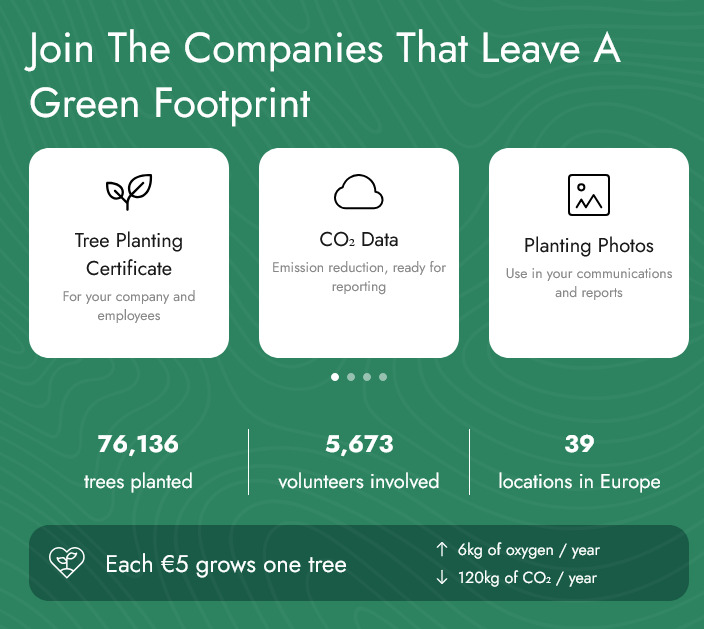
Trees play a crucial role in restoring ecological balance. They absorb carbon dioxide, improve air quality, protect biodiversity, regulate water cycles, and restore degraded land. A donation to plant new trees is a direct response to the environmental damage caused by overconsumption and disposability.
The modern world is shaped by speed, convenience, and constant replacement. In recent decades, the way we relate to objects has changed dramatically. Not long ago, everyday items such as furniture, clothing, household appliances, or tools were designed to last. They were repaired, maintained, and adapted to new needs, often serving families for generations. Today, however, the dominant question has become simple and automatic: repair or throw away? More often than not, the answer is replacement. This shift reflects the rise of the culture of disposability, a mindset with profound environmental consequences.
The culture of disposability did not emerge by accident. It is the result of mass production, globalized markets, and the relentless pursuit of lower manufacturing costs. Products became cheaper and more accessible, while their prices stopped reflecting the true environmental and social costs of their production. At the same time, daily life accelerated, and time became a valuable currency. Repair began to feel inconvenient, while replacement appeared faster and more economical. Marketing reinforced this behavior by promoting novelty, innovation, and constant upgrades, making functional objects seem outdated simply because a newer version exists.
As objects became disposable, they also lost their history. We no longer form emotional bonds with the things we own. Items are replaced before they gain meaning, becoming anonymous and easily discarded. This mindset reduces care and responsibility, encouraging short-term use rather than long-term value. The result is an ever-growing stream of waste and a rapidly increasing demand for natural resources.
One of the biggest hidden costs of disposability is its impact on the environment. Every discarded object represents wasted raw materials, energy, and water. The production of new items requires resource extraction, industrial processing, transportation, and distribution, all of which generate greenhouse gas emissions. When products are replaced faster than necessary, environmental pressure multiplies. Landfills fill up, recycling systems are overwhelmed, and ecosystems suffer long-term damage.
By supporting One More Tree, individuals and organizations can actively counterbalance the negative effects of excessive production and waste. Tree planting is not just symbolic; it is a practical, measurable action that contributes to climate protection and ecosystem regeneration. Each tree planted represents a step toward a more sustainable future, where long-term value replaces short-term convenience.
The mission of One More Tree Foundation goes beyond reforestation. It promotes awareness, responsibility, and a cultural shift toward sustainability. Just as objects were once designed to last, nature too requires long-term care and commitment. Choosing to donate to plant trees is a way to reconnect with that mindset and invest in a healthier planet for future generations.